Independence isn't lost. It's just harder to maintain alone.
We help older adults and their families navigate the real obstacles: mobility, cognitive load, trust. Small interventions. Big difference.
Start a conversation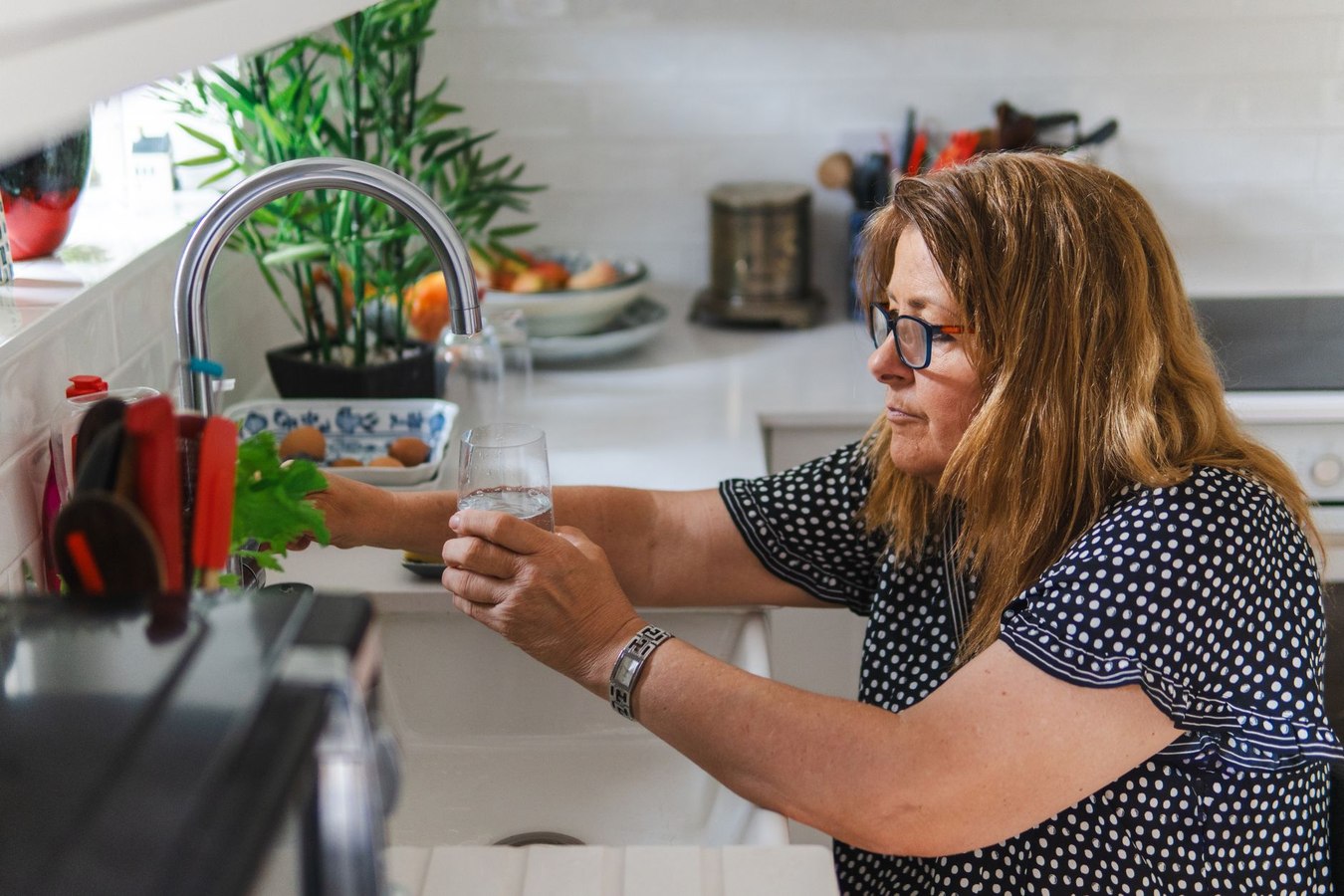
What actually stops people from asking for help
Three obstacles we address every day
Each barrier has a thoughtful answer
Accessibility-focused cleaning, family communication on your terms, coordination that reduces overwhelm
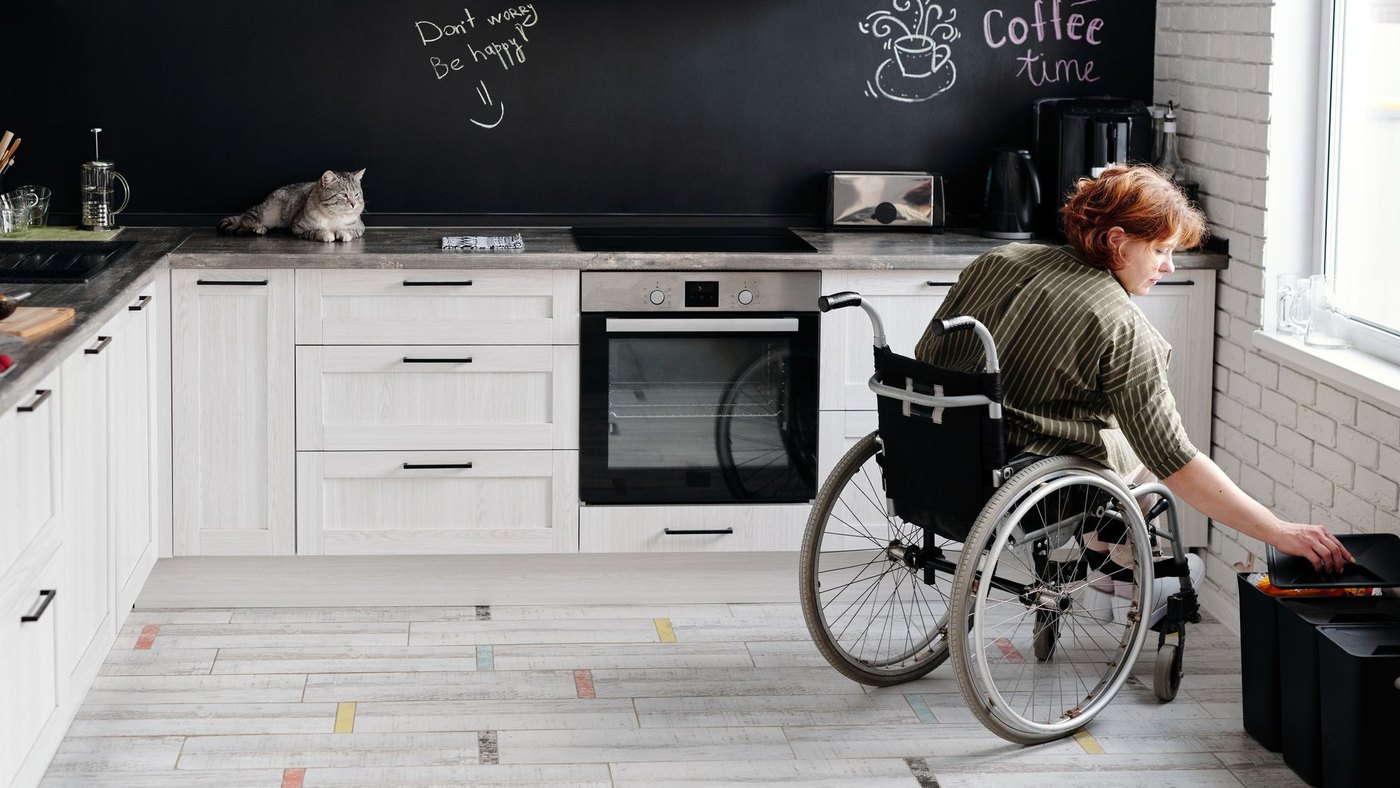
Mobility-first cleaning
We assess movement patterns and remove obstacles. Grab bars stay. Clutter goes. Floors are clear. Bathrooms are accessible. This isn't about perfection—it's about safety and function.
Family coordination
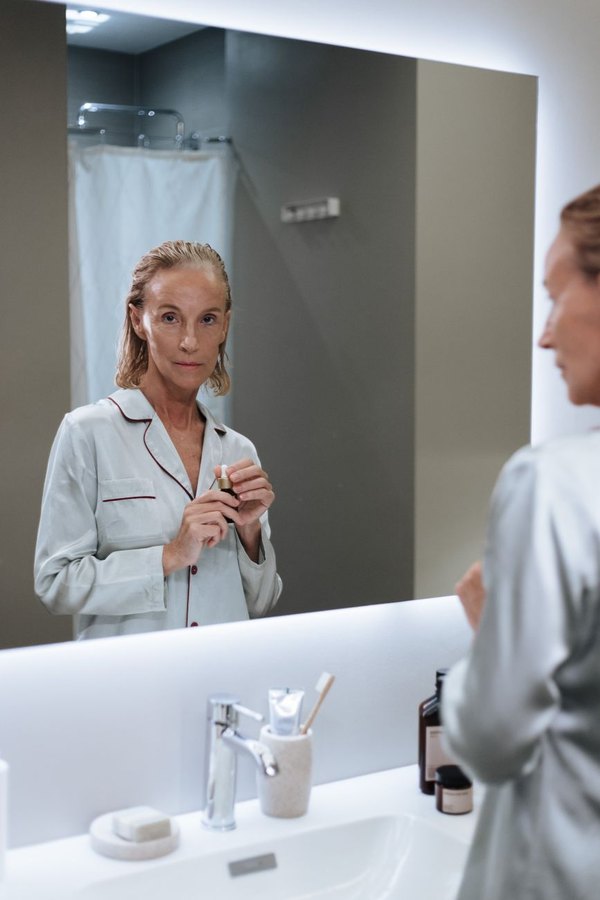
Adult children recognising the need for support can set communication boundaries. We report on what matters to you: mobility, nutrition, mood. No surprises. No judgment. Just clarity.
Consistent presence
The same caregiver builds trust. Routines reduce anxiety. Protocols respect autonomy. Over time, asking for help becomes normal, not shameful.
Regular maintenance
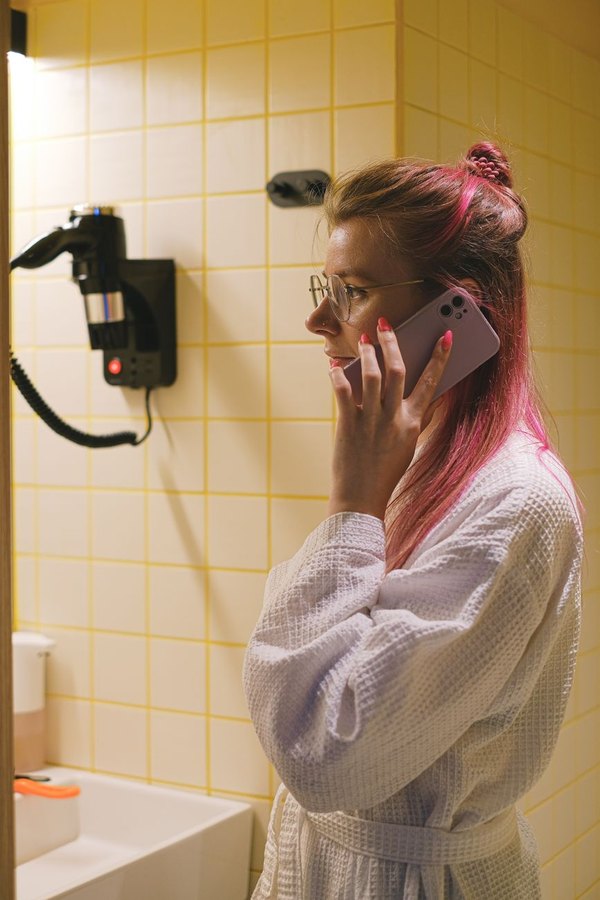
Weekly or bi-weekly visits prevent overwhelm. Cleaning, light organization, and presence reduce isolation. Older adults experiencing hesitation about asking for help often find routine visits normalize support.
- Accessible cleaning
- Laundry and light tidying
- Consistent caregiver
- Family check-ins
Deep coordination
For complex situations, we manage appointments, medications, and family communication. Adult children recognising multiple needs can step back knowing someone is coordinating care. This reduces cognitive load for everyone.
- Full home assessment
- Appointment scheduling
- Family communication hub
- Mobility and safety planning
Reasoning you can trust
No invented metrics. Just clear explanation of how thoughtful interventions restore function.
Why accessibility matters
A clean home is useless if you can't move through it safely. We prioritize pathways, grab bars, and clear sightlines. When mobility improves, independence follows. This is not decoration—it's function.
Trust through consistency
The same caregiver every week builds relationship. Predictability reduces anxiety. Over time, asking for help becomes a normal part of life, not a crisis response.
Communication on your terms
Families set boundaries. We respect them. No surprise visits. No unsolicited advice. Just clear, honest reporting on what matters.
Prevention over crisis
Regular support prevents falls, isolation, and overwhelm. Small interventions now avoid expensive interventions later. This is how independence is maintained, not lost.
Get in touch
We're here to listen and respond thoughtfully. Your privacy is protected. No pressure, no sales pitch—just a conversation about what you need.
Contact details
Phone: +20 10 6688 6365
Email: hello@juliachuslo.com
Address: Building 342, Sharia El-Nabi Daniel, Karmouz District, Alexandria 21513, Egypt
Hours: Mon–Fri, 09:00–18:00